Smart Education’s Latest Research on Teachers’Perspectives on the Impact of GenAI on English Speaking and Motivation Published
May 2026
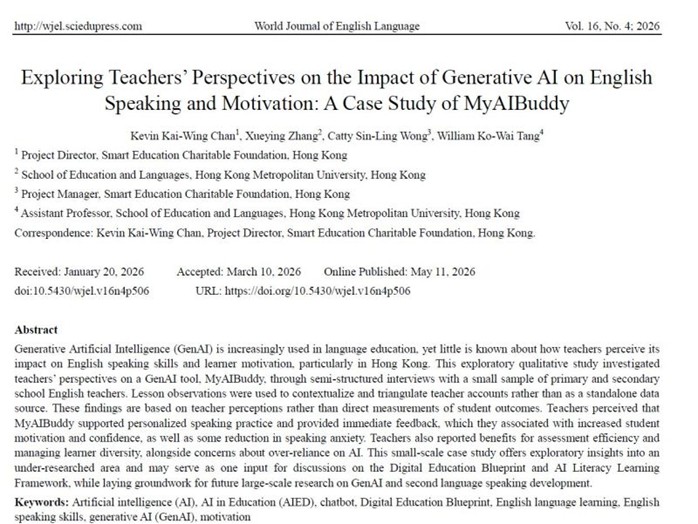
Smart Education’s latest research report on“Exploring Teachers' Perspectives on the Impact of Generative AI on English Speaking and Motivation: A Case Study of MyAIBuddy", has been published in the World Journal of English Language (SCOPUS-indexed Q1 journal).
This exploratory qualitative study investigated teachers’ perspectives on a GenAI tool, MyAIBuddy, through semi-structured interviews with primary and secondary school English teachers. Teachers perceived that MyAIBuddy supported personalized speaking practice and provided immediate feedback, which they associated with increased student motivation and confidence, as well as some reduction in speaking anxiety. Teachers also reported benefits for assessment efficiency and managing learner diversity, alongside concerns about over-reliance on AI.
DOI: https://doi.org/10.5430/wjel.v16n4p506
Bridging the Gap with Generative AI
As educational institutions globally grapple with the integration of Artificial Intelligence, Smart Education’s research provides a timely evidence-based framework. The study evaluates teachers’ perceptions on the effectiveness of Generative AI (GenAI) and big data in fostering English-speaking skills among primary and secondary students.
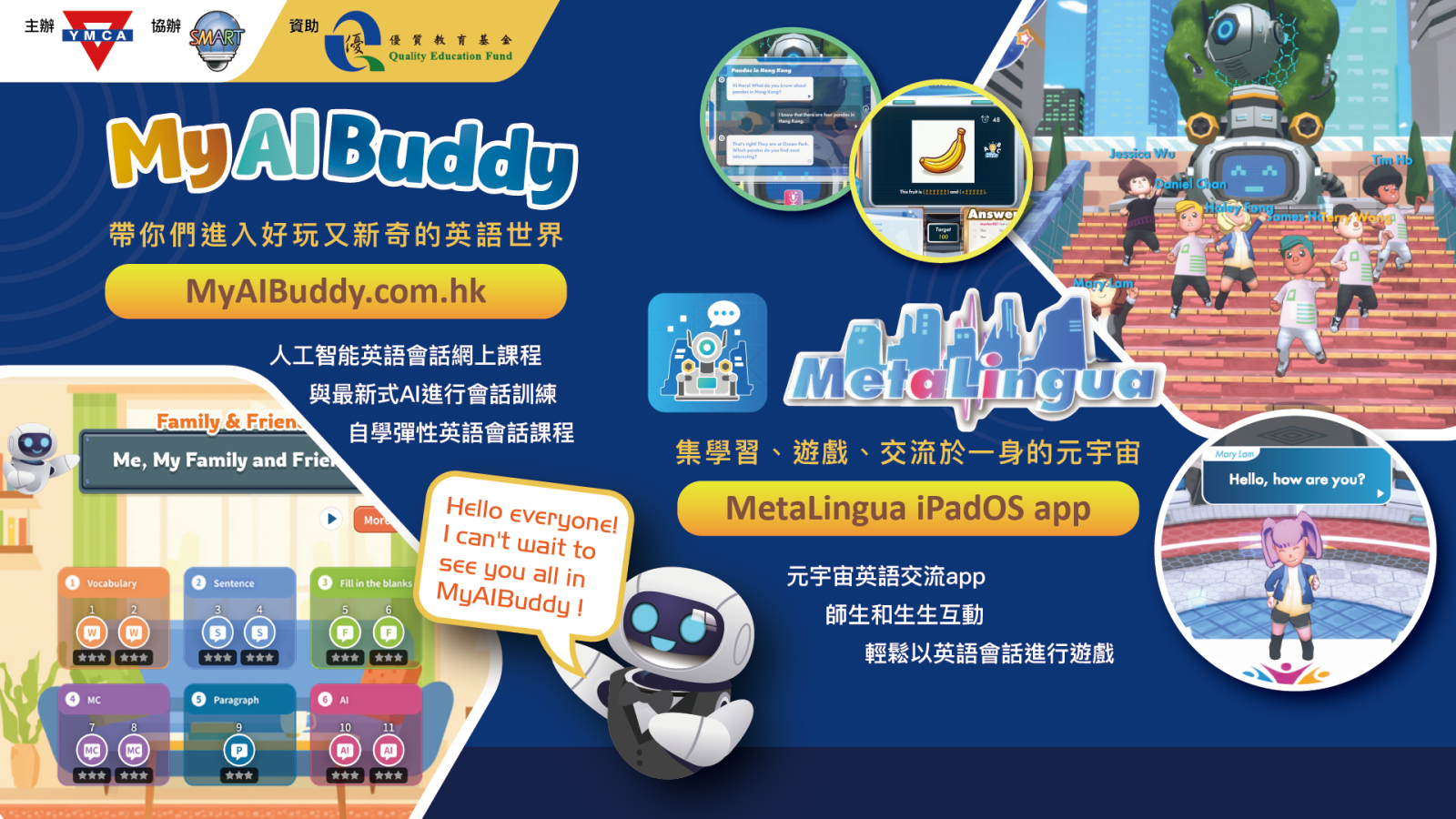
Specifically, the paper highlights the success of the “Metaverse English Learning World – AI Companion Robot and Virtual Environment to foster Students’ English-Speaking Skills‖” project—a collaborative project with the Hong Kong Chinese YMCA, funded by the Quality Education Fund(QEF). This initiative employs AI companion robots and virtual environments to create an immersive, low-anxiety space for students to practice oral English.
Key Findings from the Study
The research underscores several critical advancements in AI-driven pedagogy, particularly through the application of the MyAIBuddy tool:
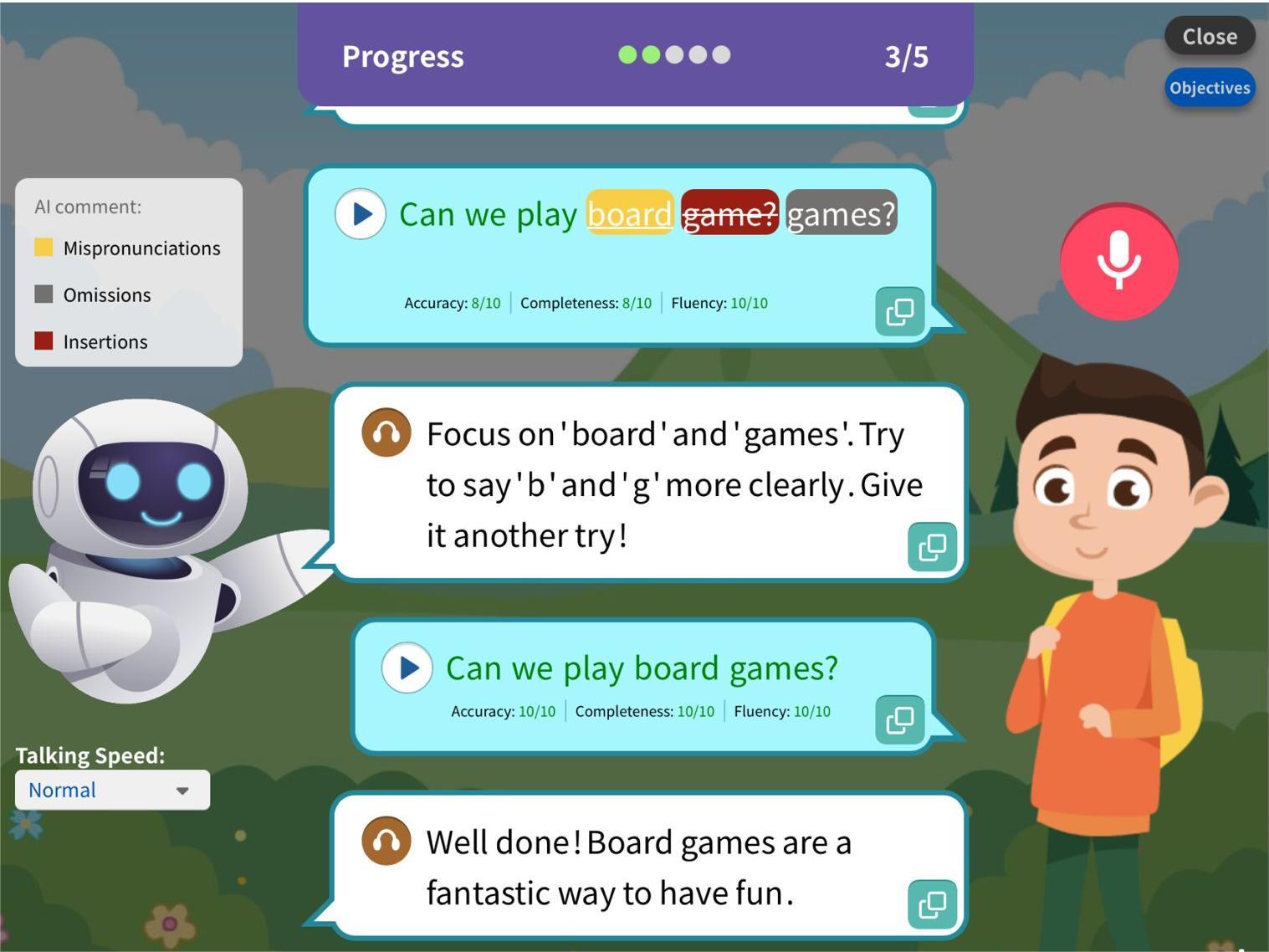
Enhanced Personalization and Accessibility: The findings suggest that AI tools like MyAIBuddy create more personalized learning experiences by allowing students to practice speaking English both during and after school.
Real-Time Feedback and Self-Correction: The instant feedback provided by the tool helps students recognize and correct mistakes in real time.
Boosted Student Confidence: Teachers observed that students showed greater motivation and confidence while appearing less anxious about using English.
Increased Teaching Efficiency: Teachers reported benefits such as more efficient assessment processes and better support for individualized instruction, which helped them manage diverse learning needs in the classroom.
Gamified Engagement: The research witnessed that gamified and interactive features of the tool contributed to a more engaging and motivating learning environment.
Contributions of this study
This study makes several contributions. First, theoretically, it shows that using multiple frameworks together, such as affective filter, SDT, gives a richer understanding of AI adoption than using any single theory alone. In addition, it provides authentic teacher voices from Hong Kong primary and secondary schools, sharing both the benefits of AI such as stress-free practice, instant feedback, and personalized learning, as well as the challenges including over-reliance, technical issues, and limited human connection. Furthermore, it highlights specific tensions such as the risk of weakening student independence and the need for teacher–expert collaboration, which schools and AI developers must address to support sustainable AI integration. However, the small sample size means these findings are preliminary. Yet they provide a foundation for larger studies and offer practical insights for teachers considering similar AI tools.
Building on Previous Research: From Theoretical Readiness to Practical Application
The new research builds upon Smart Education’s previous study, "Evaluating English Teachers' Artificial Intelligence Readiness and Training Needs with a TPACK-Based Model" (published in Vol. 15, No. 1, 2025)(DOI: 10.5430/wjel.v15n1p129).
While the first paper established the "human" requirements for digital transformation—identifying the technical and pedagogical skills teachers need to effectively manage AI tools—the latest publication demonstrates what happens when those tools are put into action.